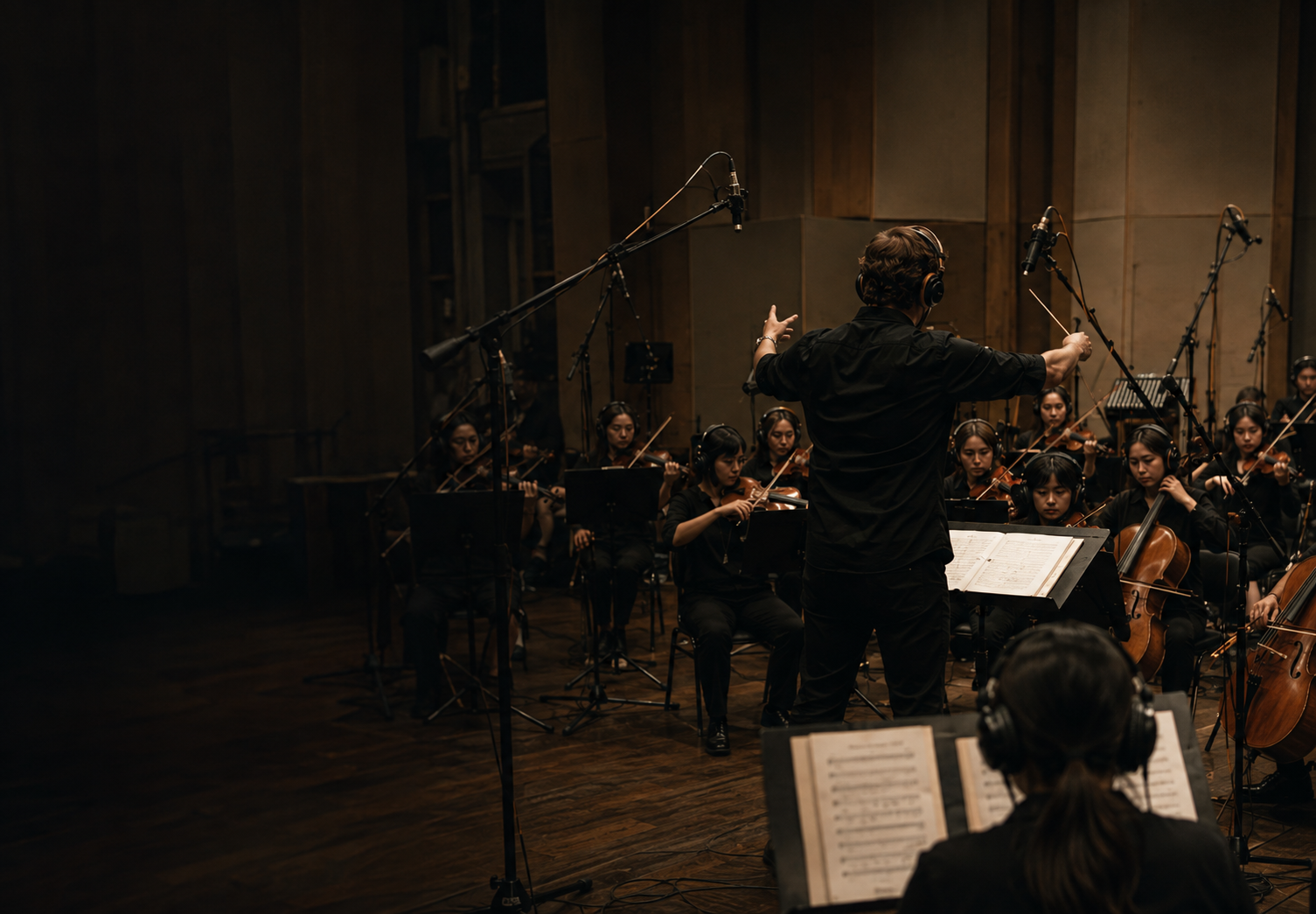
Illustrative orchestral recording session with a conductor and string players

Small-ensemble remote recording, built for education

Before
graduation,
record the way
you’ll work.

Build on your coursework with small-ensemble remote sessions, defined project budgets and more time to explore, communicate and build experience—practice for the recording work you may encounter after graduation.

EDU SESSIONS / FROM SCORE TO SESSION

Prepare for the everyday work

Small ensembles.
Remote sessions.
Real-world skills.

Professional recording spans productions of every scale. Small ensembles, defined budgets and remote collaboration are a familiar part of many composers' working lives. Our EDU Sessions complement your existing curriculum with focused practice in this professional setting.

01

Smaller ensembles

Choose the players the music needs. Learn how exposed parts, balance and orchestration work when every player counts.

02

Remote collaboration

Listen from another location and give clear feedback to the conductor, musicians and control room. Turn what you hear into useful direction.

03

Real budgets. Limited time.

Arrive prepared, prioritize what needs another take and know what can be edited. Make musical decisions within the session you have.

Small ensembles and remote collaboration give students experience of recording conditions they may encounter after graduation. Our accessible pricing helps the same course budget provide more session time per student—to communicate with the conductor, musicians and studio team, try musical ideas and build experience through each adjustment.
One EDU Session · A complete learning loop

Prepare. Record. Review.

The two workshops are included with every EDU Session at no additional cost.

Learn in context.
Make it your own.

01

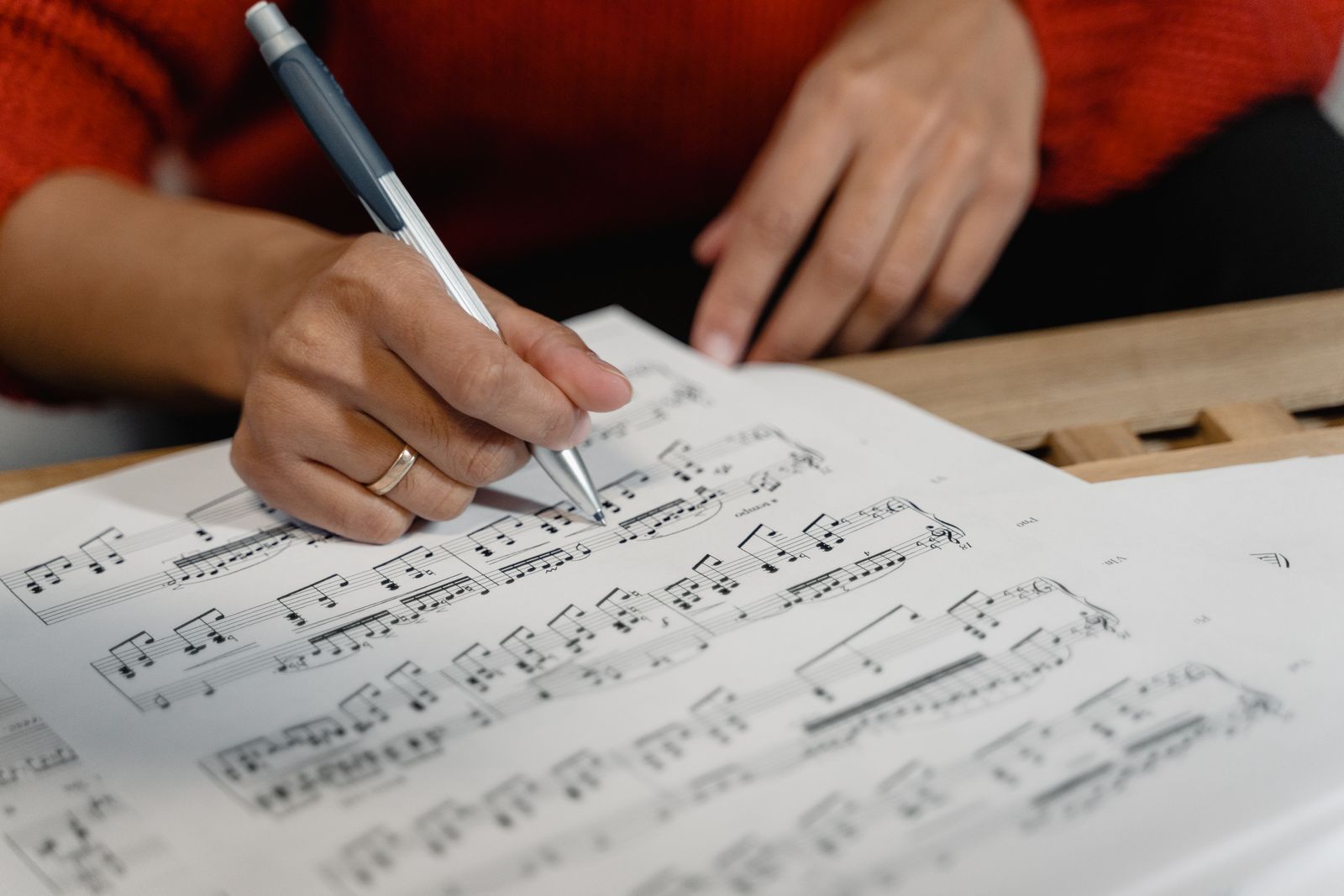
Before the session

Music Prep Workshop

Scores, parts, tempo maps, clicks, references and a practical pre-flight check.

  • Score and part readiness
  • Tempo maps, clicks and markers
  • References and session notes
Stock photograph of handwritten annotations on sheet music
Score & partsStock photo · Tima Miroshnichenko / Pexels
02

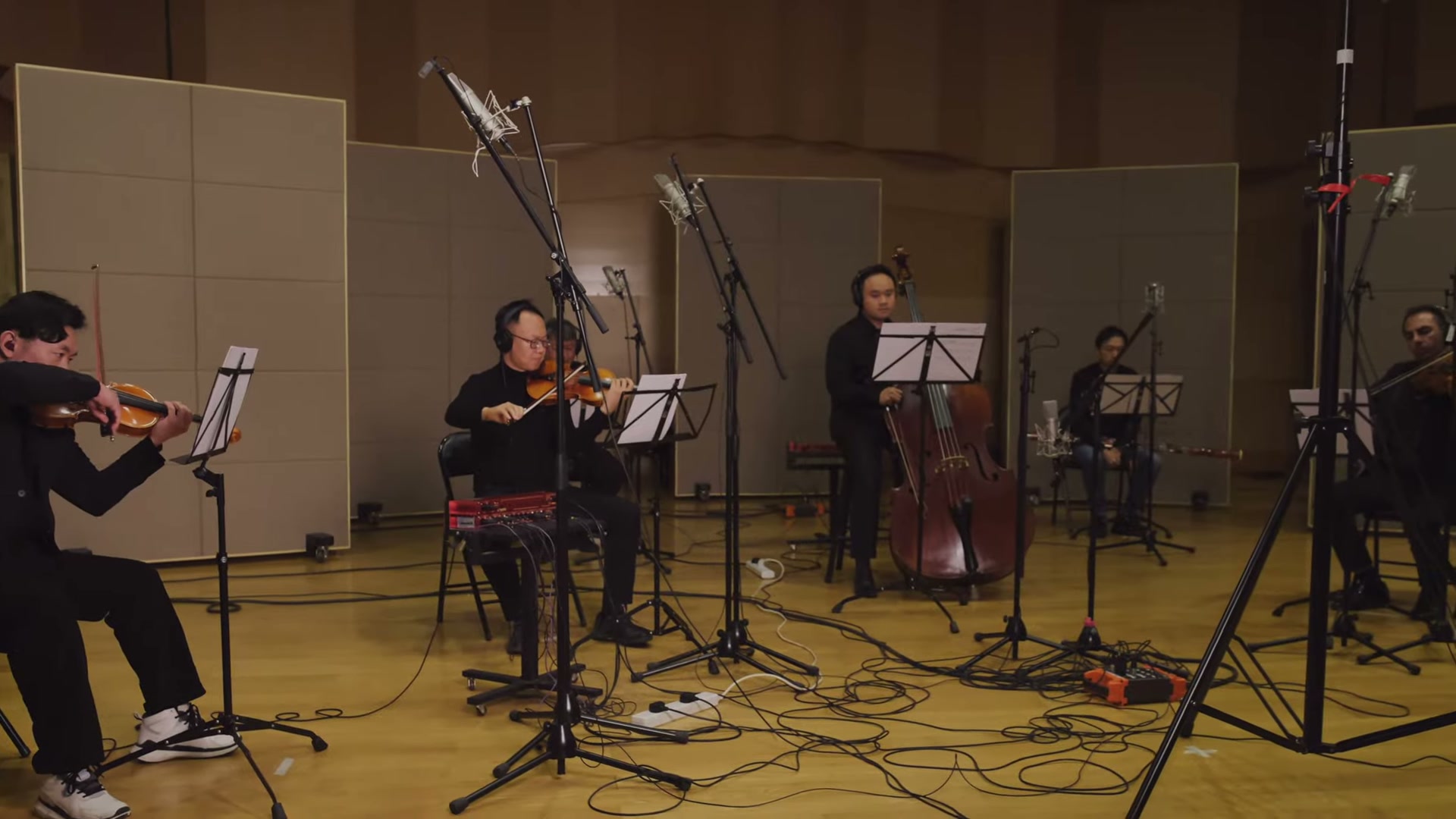
During the session

Small-Ensemble Remote Session

Students hear their work, direct takes and pickups, and communicate with the session team in real time.

  • Listening & talkback
  • Takes, pickups & feedback
  • Musical decisions in real time
SlurME musicians recording a small-ensemble session, in color
Remote direction
03

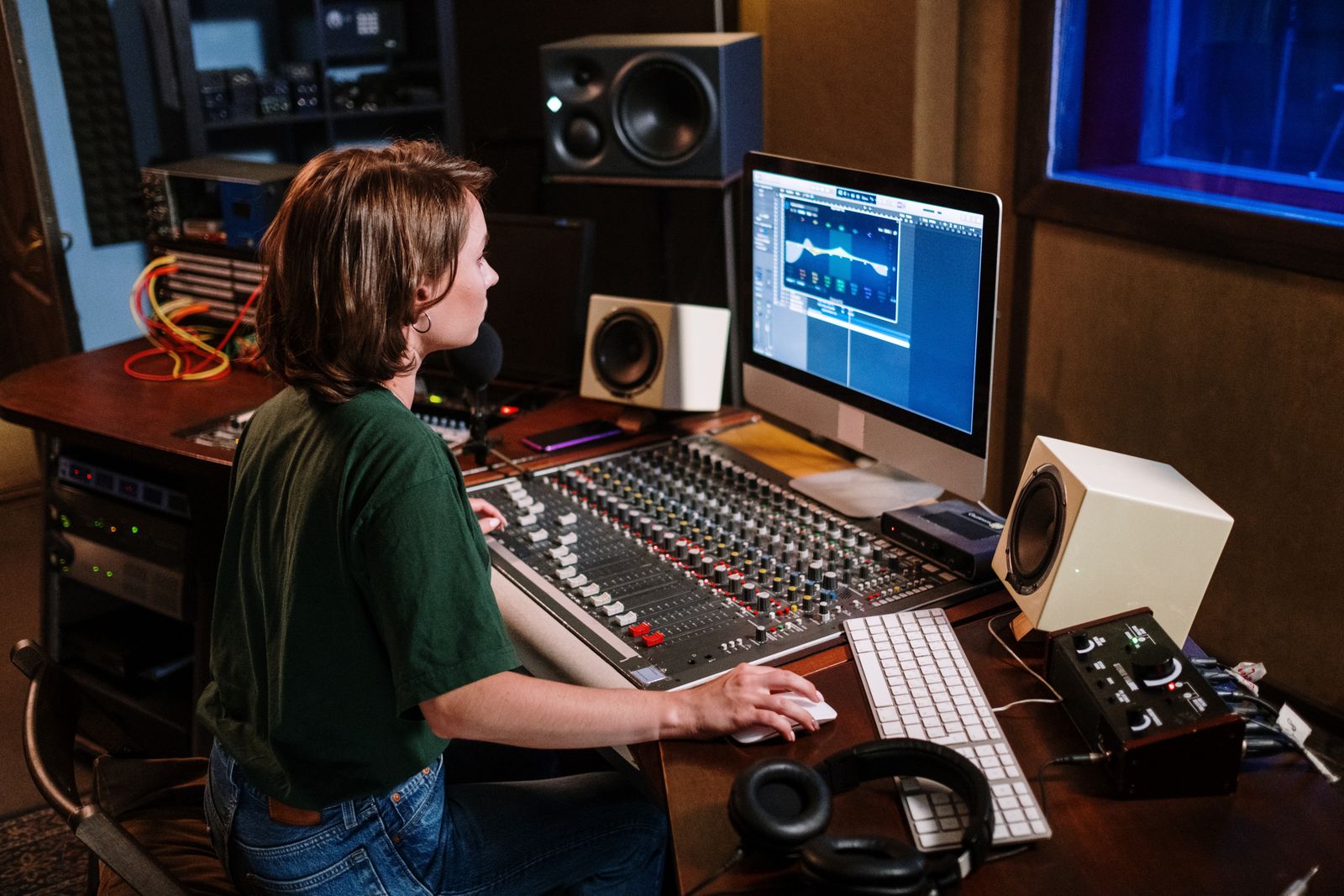
After the session

Session Editing Workshop

Review takes and notes, organize edits, solve performance issues and prepare the result for delivery.

  • Take review and selection
  • Note organization and comping
  • Delivery-ready session organization
Stock photograph of audio work at a studio computer and mixing desk
Editing & deliveryStock photo · cottonbro studio / Pexels

Observable outcomes

Build session skills through hands-on practice.

  • Prepare session-ready scores and parts
  • Communicate musical intent clearly
  • Direct takes, pickups and revisions
  • Prioritize decisions under time pressure
  • Evaluate performances and edit results

For students

Own a cue from preparation to delivery.

Apply ideas developed in class, explore musical choices with the recording team and reflect on the results.

For faculty

Your teaching goals shape the session.

We work with faculty to fit preparation, recording and review around their teaching approach. Scores, session notes and recordings support course discussion and feedback.

For institutions

A recording partner for your curriculum.

Add flexible access to musicians, a conductor, recording stages and production support alongside your existing teaching resources.

More time to learn

Plan more hands-on time within your budget.

Right-sized ensembles and hourly sessions create more room for students to hear feedback, request another take and discover how their writing behaves in the room.

Course connection

Build on classroom learning

Bring course assignments, orchestration ideas and faculty-defined goals into the recording plan.

Participation

More cues, takes and feedback

More session time per student within the course budget creates room to compare takes, discuss feedback and refine musical direction.

Stages as part of the lesson

Four rooms. Four ways to hear the score.

Students learn why ensemble size, repertoire and room character belong to the same musical decision.

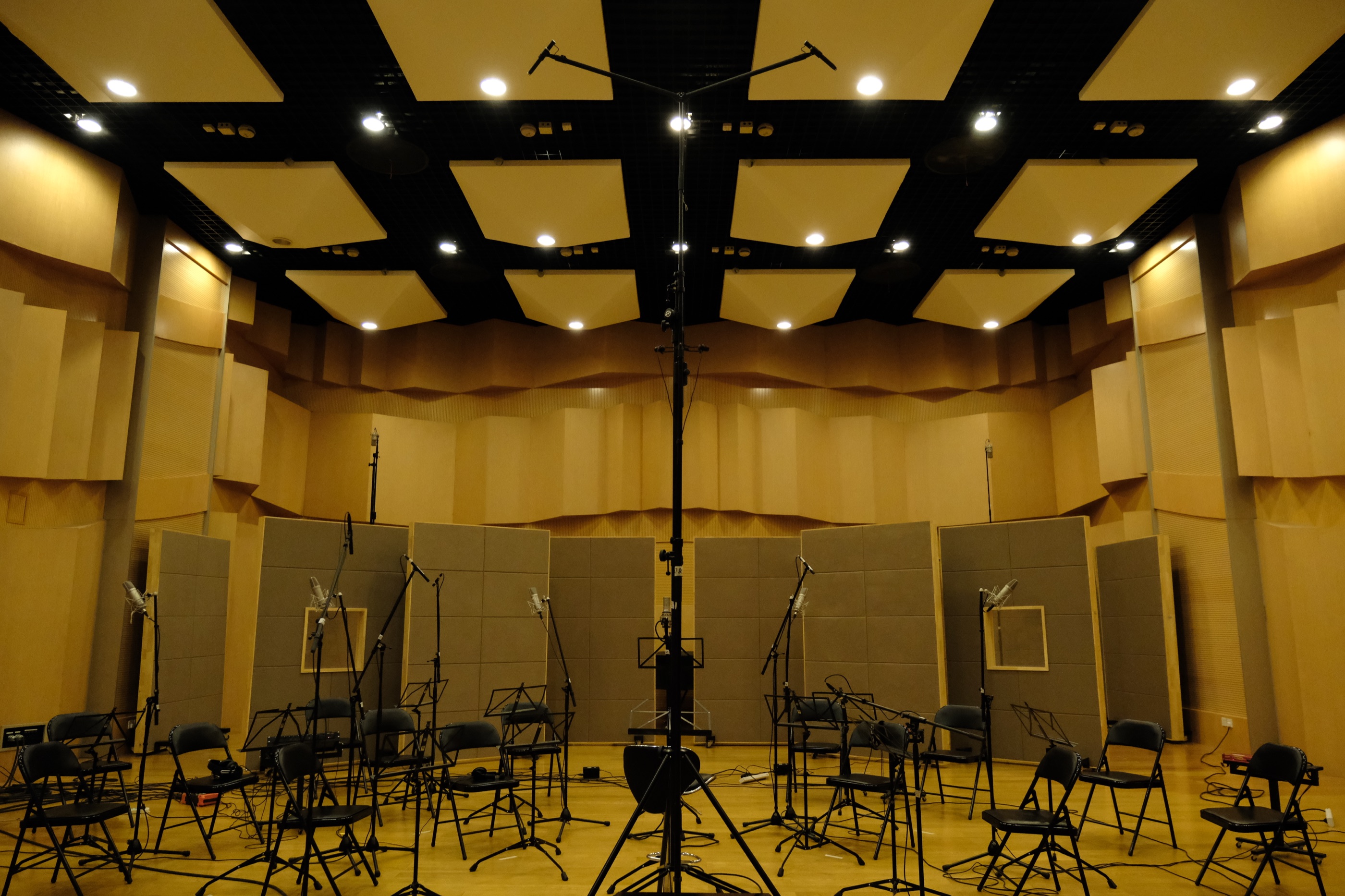
SlurME Main Stage 01

Main Stage

Open, clear and naturally cinematic for larger ensemble layouts.

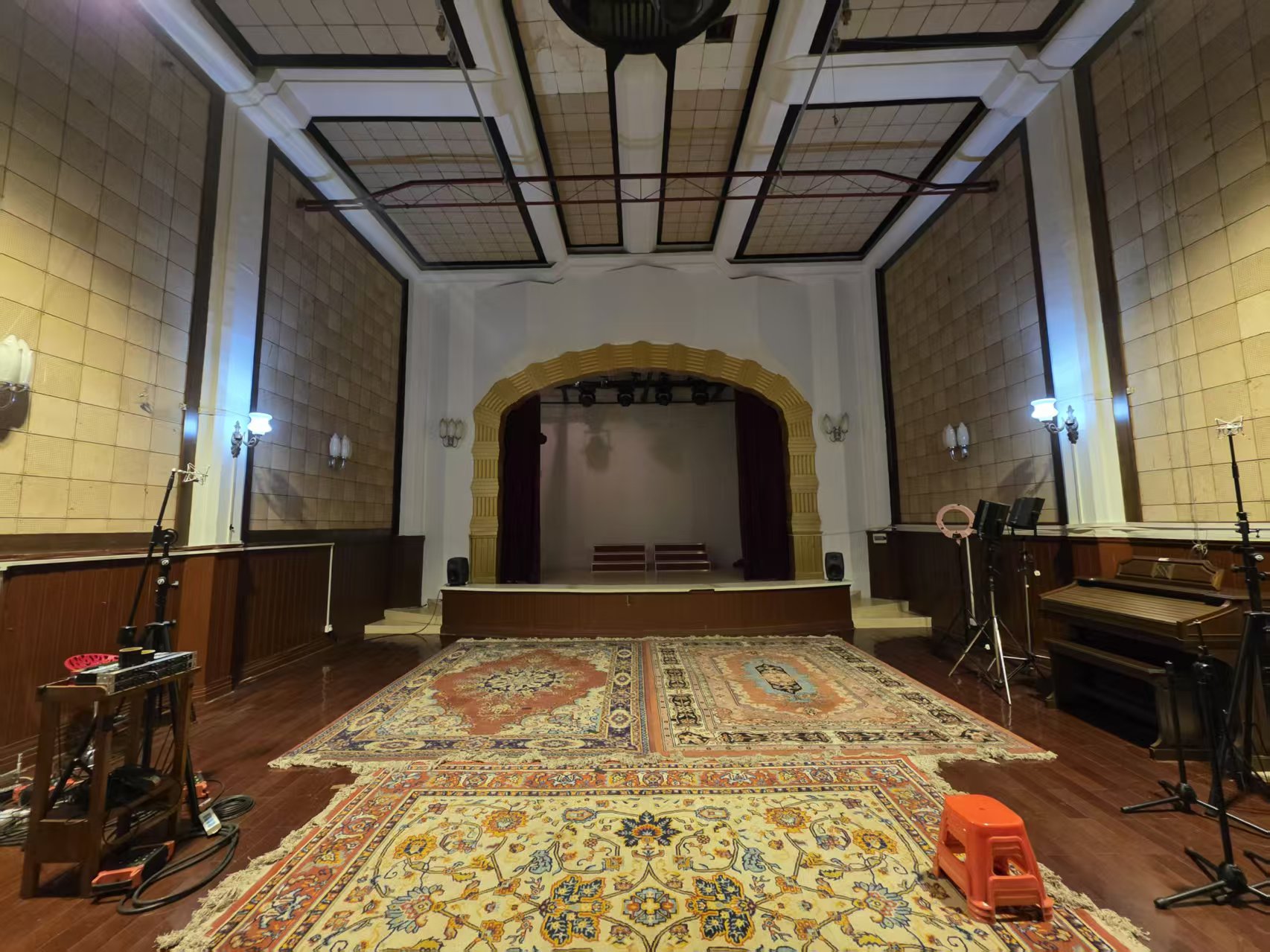
SlurME Historical Stage 02

Historical Stage

Warm, intimate reflections for soloists, chamber writing and distinctive color.

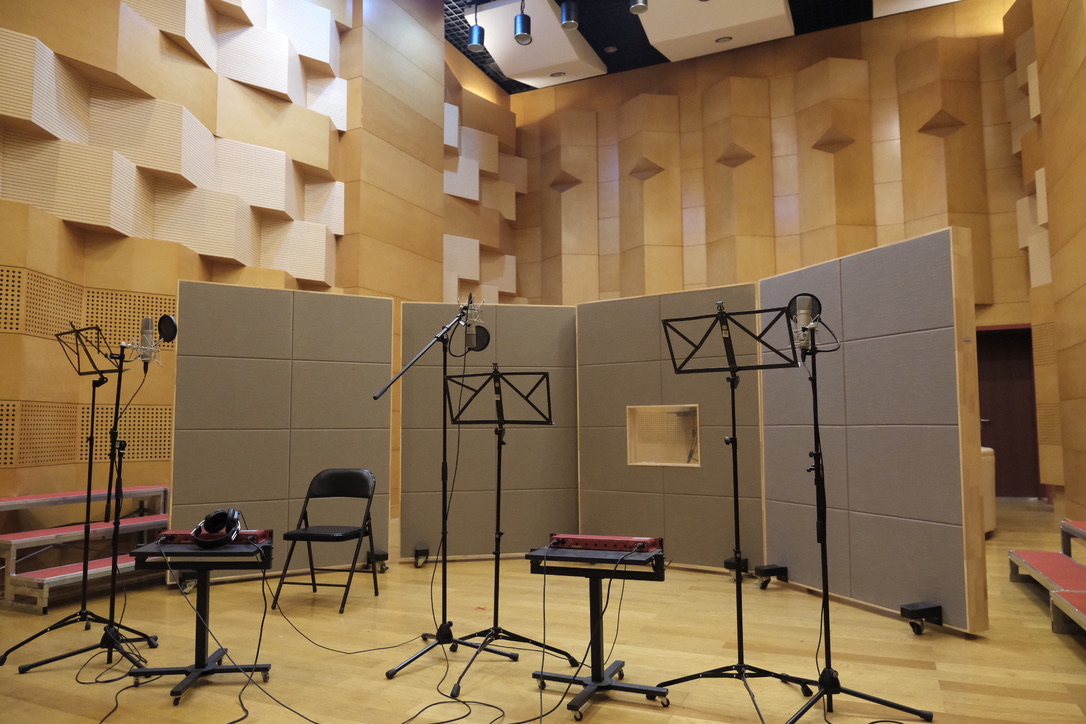
SlurME Chamber Stage 03

Chamber Stage

Close, controlled and detailed for smaller ensembles and layered recording.

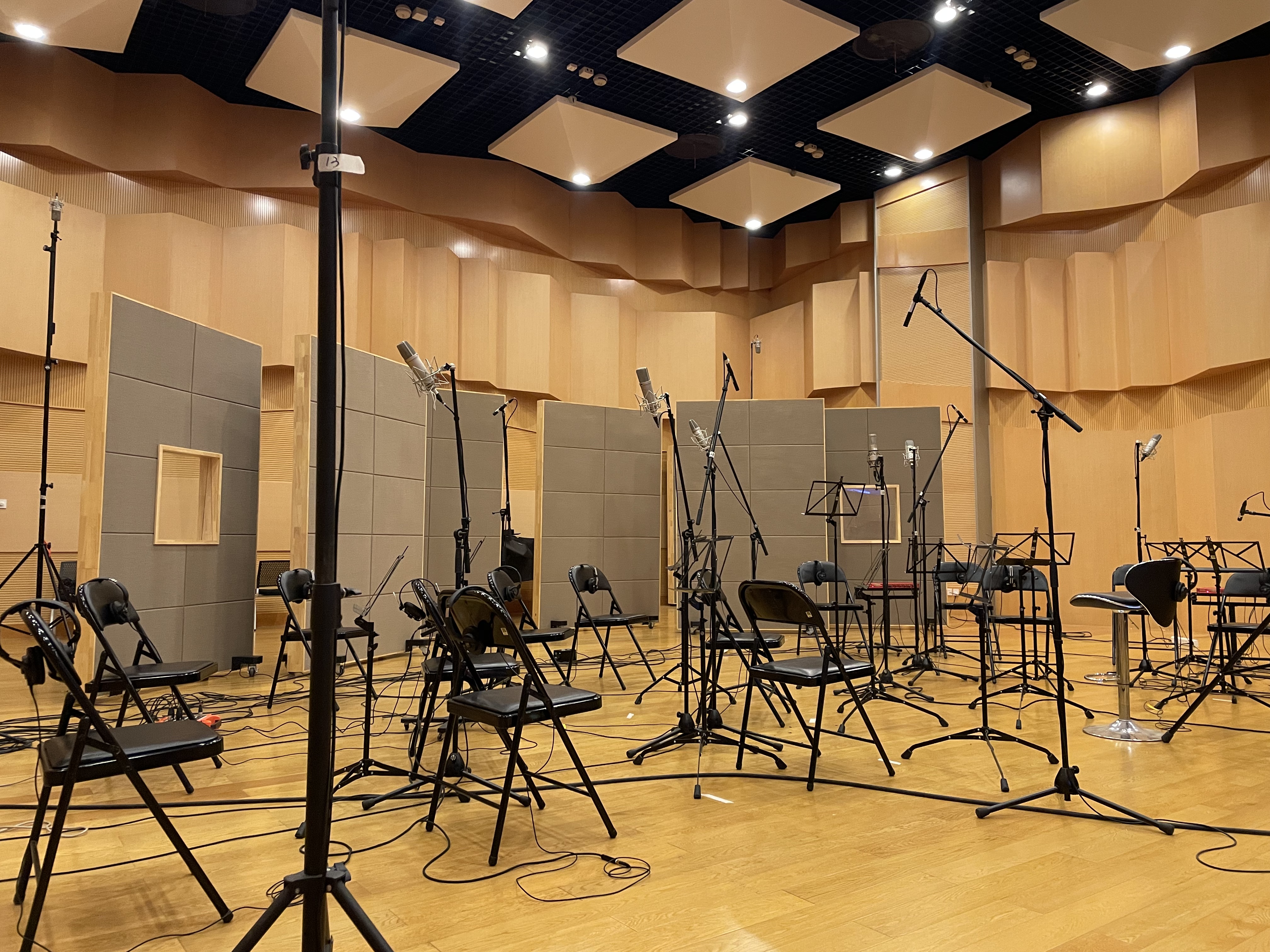
A SlurME recording stage prepared for a session 04

Additional Stage

A fourth recording environment, selected around the course, ensemble and repertoire.

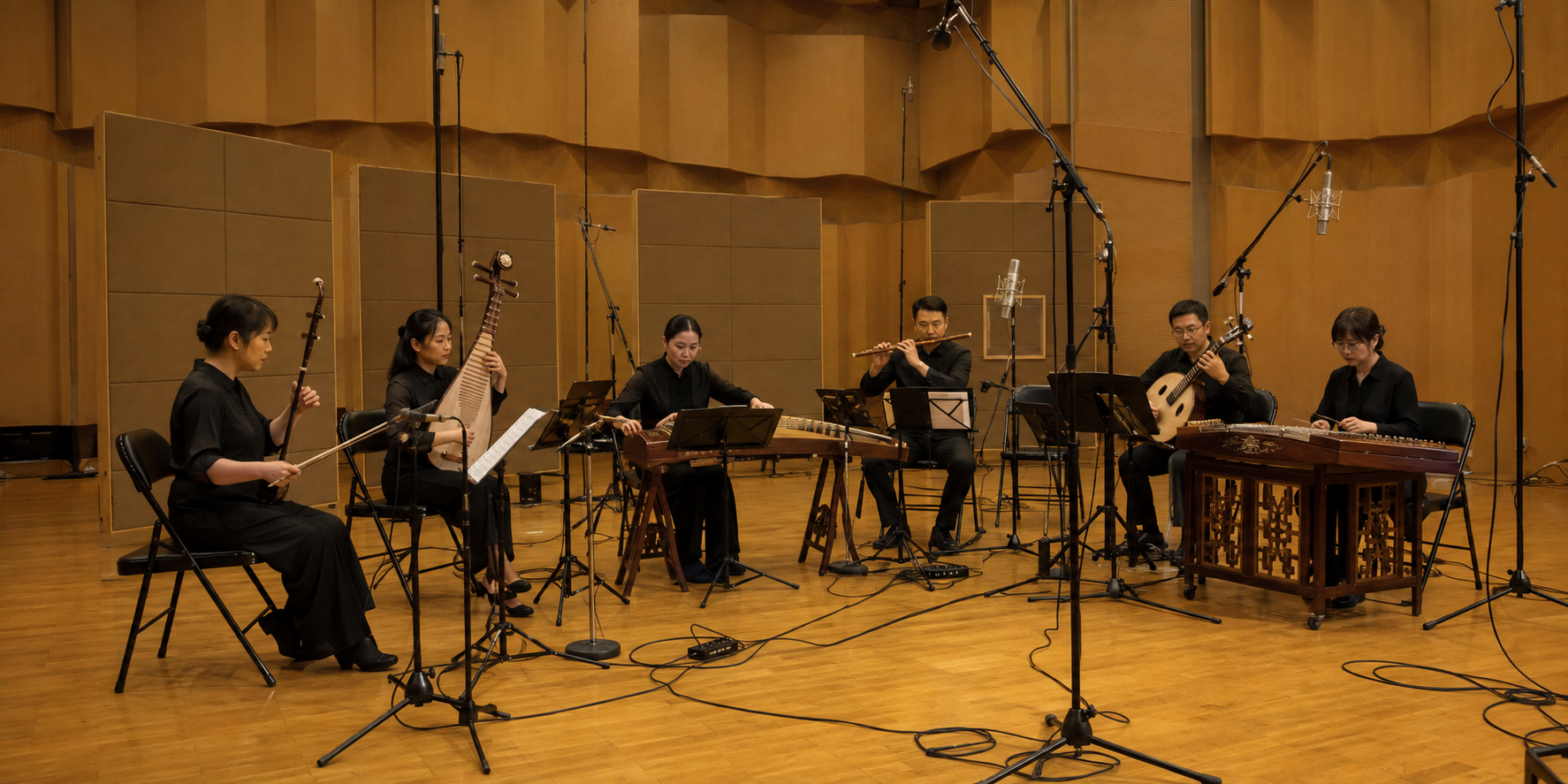
Chinese instrumentalists recording in a professional scoring stage

Beyond the orchestra

Learn what changes when Chinese instruments enter the brief.

Students can work with experienced professional musicians and learn the notation, performance communication, balance and recording decisions that differ from Western orchestral practice.

Professional recording proof

The delivery standard students are learning toward.

Selected commercial sessions demonstrate the orchestra, rooms and production workflow behind the EDU program.

Strings · Main Stage

Still Within The Frame

Soloists · Historical Stage

Reign of Nightfall · Cecelia

Brass & Strings · Historical Stage

Reign of Nightfall · Fate's Gambler

Built to fit the course

From curriculum plan to delivered files.

  1. 01

    Consult

    Share the course, cohort and learning goals.

  2. 02

    Plan

    Set the ensemble, stage, schedule and cue allocation.

  3. 03

    Prepare

    Attend the workshop and check student materials.

  4. 04

    Record

    Join the live remote session and direct the music.

  5. 05

    Review

    Study takes, notes and editing decisions together.

  6. 06

    Deliver

    Receive audio, session files and video material as agreed in the course plan.

Frequently asked

Planning an EDU Session.

How many students can take part?

The program can be shaped around a class, selected composers or a project cohort. We plan cue allocation after learning the number of students and available session time.

What does each student need to prepare?

A score, individual parts, tempo and click information, MIDI or mockup references, and clear cue notes. The Music Prep Workshop explains the complete handoff.

Can faculty join the live session?

Yes. Faculty can monitor the session and help structure student participation while our conductor and session team manage the recording floor.

How is the remote connection arranged?

We confirm the listening and talkback workflow during planning and run a technical check before the session.

What files are delivered?

Delivery can include recorded audio, Pro Tools sessions and session notes. We also offer session video recording for students' portfolios and professional promotion. Video scope and delivery formats are agreed in the course plan.

SlurME recording stage ready for a session

Start with the course

Bring everyday recording practice into your curriculum.

Tell us the course, cohort size, preferred dates and budget range. We will shape a practical EDU Session plan around your learning goals.

Included with every EDU Session

Music Prep Workshop

Scores, parts, tempo maps, clicks, references and a practical pre-flight check.

The final format and duration are planned around the course and cohort.

During the session

Small-Ensemble Remote Session

Students join remotely, hear their work played by a small ensemble and guide takes, pickups and musical changes within their allotted time.

  1. Connect with the studio team and check the remote listening and talkback setup.
  2. Listen to a take and discuss balance, phrasing and musical intent with the conductor and musicians.
  3. Give clear bar references and feedback, try adjustments and prioritize pickups within the allotted session time.
  4. Compare takes and keep notes on preferred performances and editing decisions for the review stage.

Included with every EDU Session

Session Editing Workshop

Review takes and notes, organize edits, solve performance issues and prepare the result for delivery.

The final format and duration are planned around the course and cohort.

Stage 01

Main Stage

Chinese instruments in a professional recording session

Chinese instrument sessions

Writing, communication and recording all change with the instrument.

Available lineups are built around the score. Sessions can include instruments such as erhu, pipa, ruan, guzheng, yangqin, dizi and suona, performed by experienced professional musicians. Exact credits and lineup are confirmed for each program.